Thailand, oh wow! This place has it all: stunning temples that look like they’ve been plucked straight from a fairy tale, those dreamy white-sand beaches that are utterly postcard-worthy, street food that’s a true culinary adventure, and a cultural heritage richer than a chocolate lava cake. Basically, Thailand has a little something for everyone. So, if you’re planning a trip to Thailand, especially to Phuket, we’ve got you covered with all the insider tips you need, from visa requirements and safety considerations to the best time to visit and practical day-to-day advice.
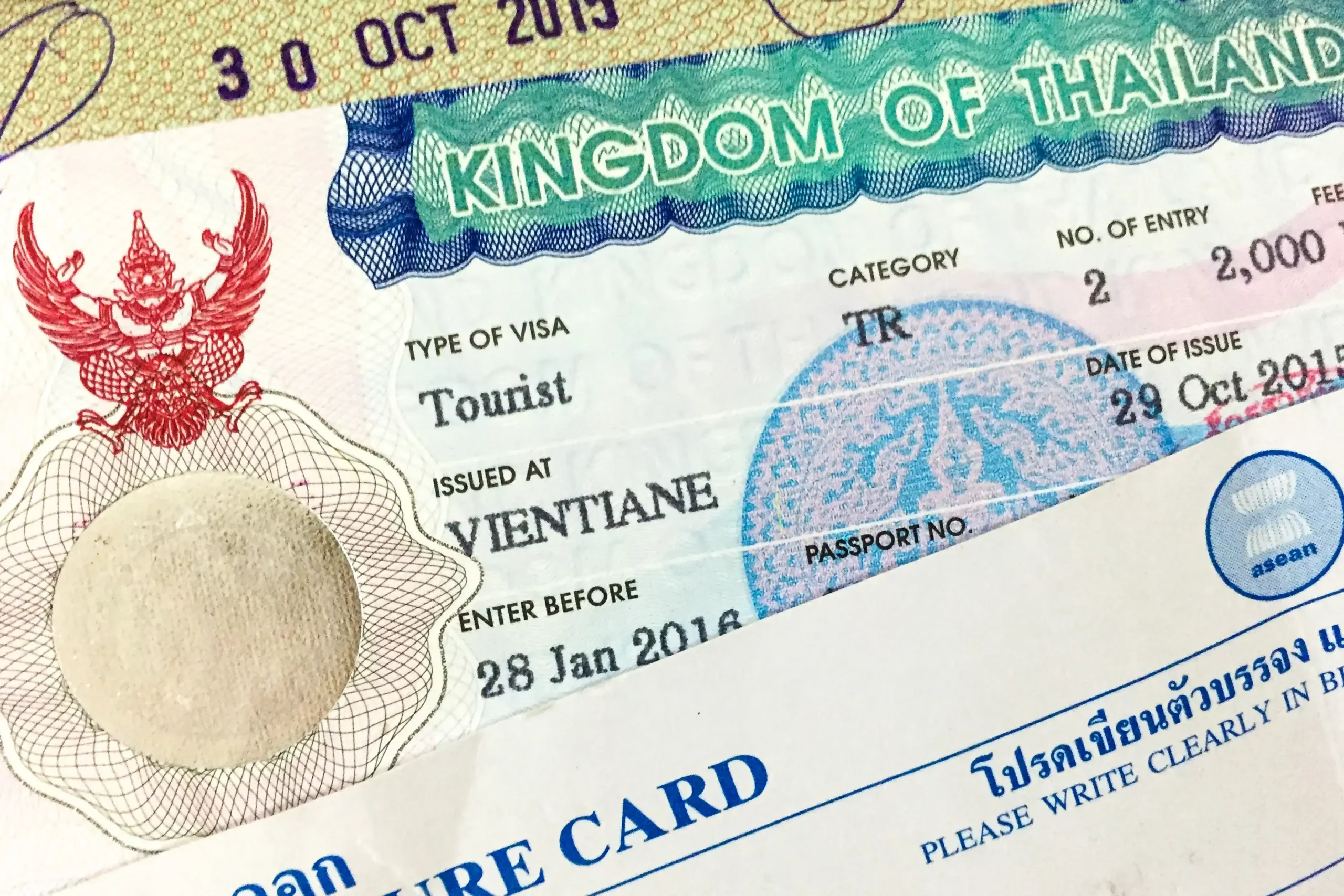

Do you need a visa for Thailand? Most travellers to Thailand will require a visa unless they are from a visa-exempt country or eligible for a visa-on-arrival. In 2025, the rules have been updated:
The Tourist Visa remains a popular option for those wishing to explore Thailand. It allows stays of up to 60 days, with the possibility to extend for an additional 30 days at a Thai Immigration Office. Applications can be made easily through the fully operational Thai e-Visa system. If the e-Visa isn’t available in your country, you can still apply in person or by post at your local Thai embassy or consulate.
In 2025, the Visa Exemption scheme has been expanded to 93 eligible countries, up from 64 previously. Travellers from these countries can enter Thailand without obtaining a visa in advance. Simply present your passport at an international airport or a land border crossing from a neighbouring country (such as Cambodia, Laos, Malaysia, or Myanmar) and you’ll be granted entry under the scheme.
Visa-exempt travellers will be required to register for an Electronic Travel Authorisation (ETA) before entering Thailand. The process will be quick and straightforward, improving security and visitor tracking.
For all travellers, always double-check your eligibility and ensure your passport is valid for at least six months before departure.
Is Phuket Safe to Travel? Phuket is generally considered a safe destination for travellers in 2025, but it’s important to stay vigilant and take common-sense precautions. Petty crimes such as pickpocketing and rental scams can occur, though they are rare. Particularly in crowded areas, so always choose reputable operators.
Road safety is another consideration, especially if you plan to rent a scooter. Helmets and careful driving are essential, and you’ll also want to avoid the infamous “Thai tattoo,” a nickname for the scars many tourists get from minor motorbike accidents.
Tip: Keep copies of important documents, avoid unlicensed taxis, and only rent or drive a scooter if you’re experienced.
Phuket enjoys a tropical climate, meaning warm weather year-round, but the experience can vary depending on the season. The most popular time to visit is during the dry season, from November to April, when you can expect sunny skies, calm seas, and ideal conditions for beaches, island hopping, and water sports. The wet season runs from May to October, bringing frequent rain and occasional storms, but it also means fewer crowds and lower prices on accommodation and tours. For those planning outdoor activities like island tours or snorkelling, it’s best to travel during the dry months to make the most of your time on the water.
Tip: Plan your trip to Phuket around your preferred weather and activities and be flexible if travelling during the rainy season.
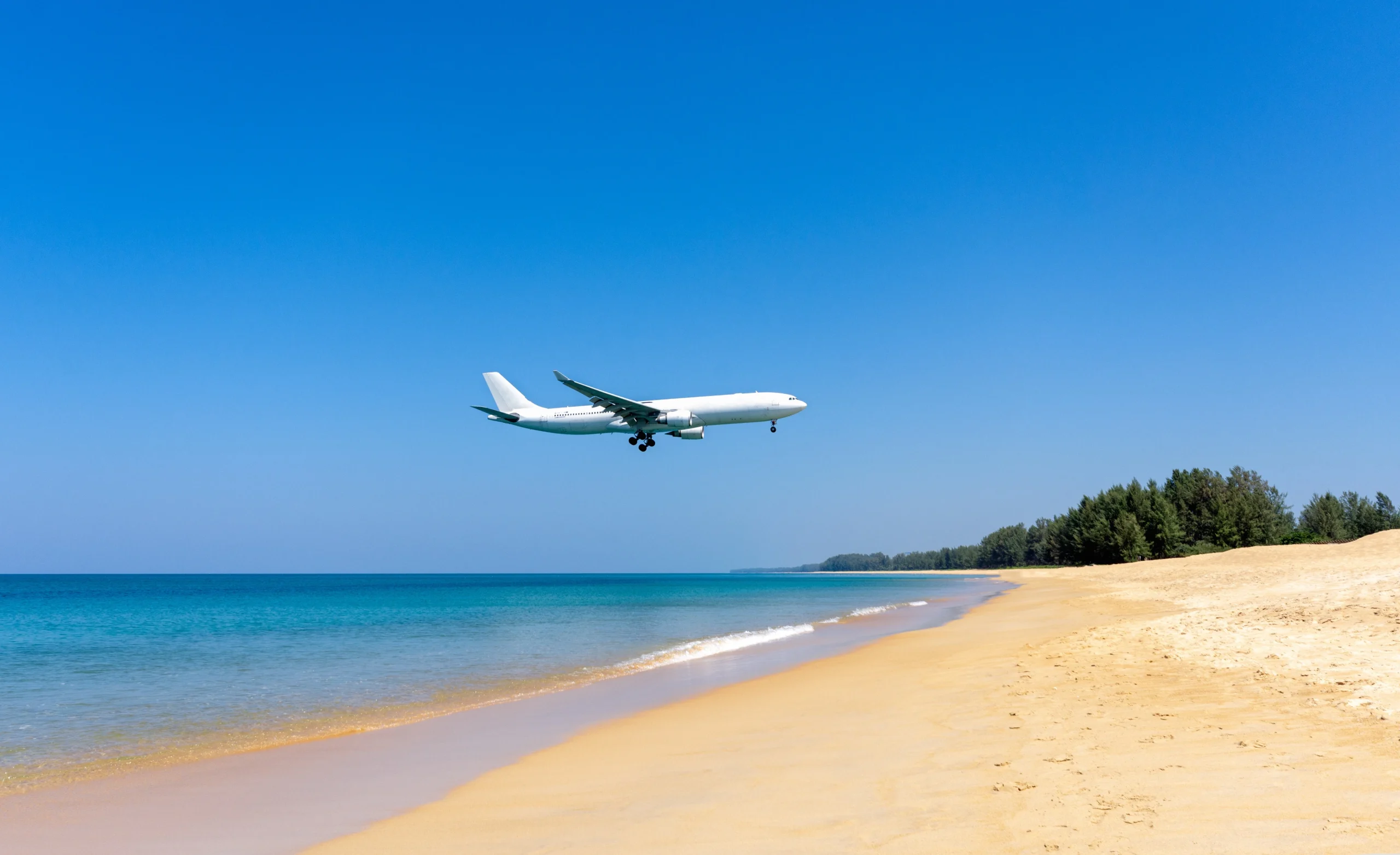
The easiest way to reach Phuket is by air. Phuket International Airport is well-connected internationally and to major cities across Thailand. Direct flights are available from popular international destinations, Bangkok, Chiang Mai and even Krabi or Samui.
It’s possible to reach Phuket overland from neighbouring countries like Malaysia. You can cross via authorised land borders, then continue by bus, driving or private transfer to Phuket. Make sure to check visa requirements, border opening hours, and carry all necessary documents before travelling.
Ferries and boats are a scenic option for reaching Phuket from nearby islands or coastal cities such as Krabi. This can be a relaxing way to enjoy the Andaman Sea while making your way to the island. Phuket is also a popular port of call for international cruises, with major operators such as Royal Caribbean, Norwegian Cruise Line, Celebrity Cruises, and MSC Cruises including it in their Southeast Asia itineraries. These cruises depart from ports around the world, including Singapore, Hong Kong, and Australia, offering travellers a leisurely and scenic arrival to Phuket.
While there is no direct train to Phuket, you can take a train from Malaysia or other parts of Thailand to Surat Thani or Hat Yai, then continue by land or plane. Be mindful of travel times and check for any safety advisories in southern provinces before planning your trip.


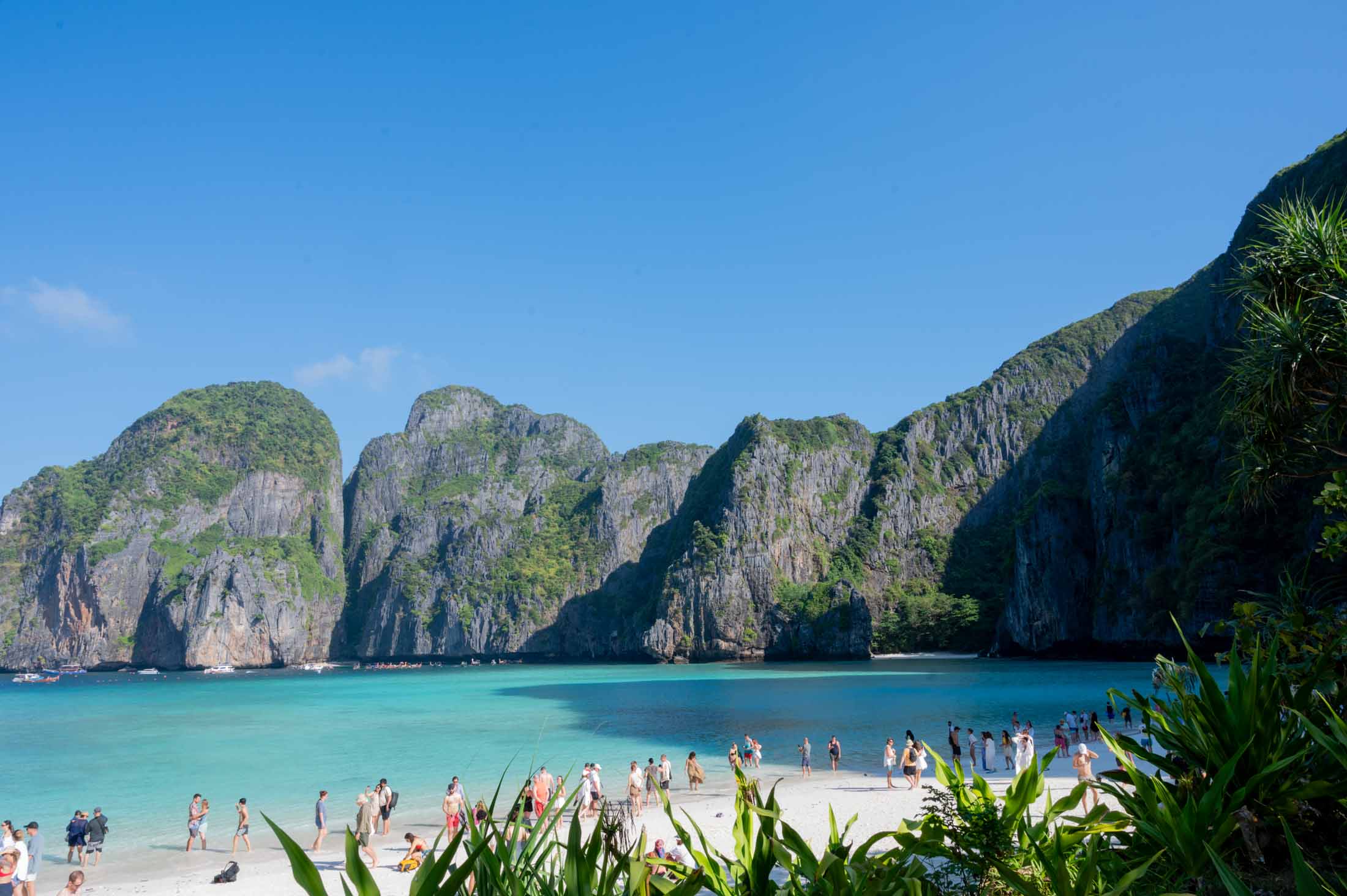
No Phuket trip is complete without exploring its stunning nearby islands. From hidden lagoons and stunning beaches to crystal-clear waters perfect for swimming and snorkeling, the options are endless. And the easiest way to experience them? With Phuket Sail Tours.
We specialise in small group boat trips, meaning fewer people on board for a more relaxed, uncrowded, and personalised experience. Whether it’s a family outing, a friends’ adventure, or a solo escape, our island day trips let you enjoy Phuket’s beauty at your own pace. So make sure to head on over to PHUKET BOAT TRIPS and book your island day trips with us.
By keeping these essential travel tips in mind, your trip to Phuket — or anywhere in Thailand — will be smoother, safer, and far more enjoyable. From visas and safety to practical day-to-day considerations, preparation is key. With the right planning, you can focus on exploring beaches, islands, cultural sites, and the rich cuisine Thailand has to offer.